

The Journey to Motherhood: A Natural Part of Life
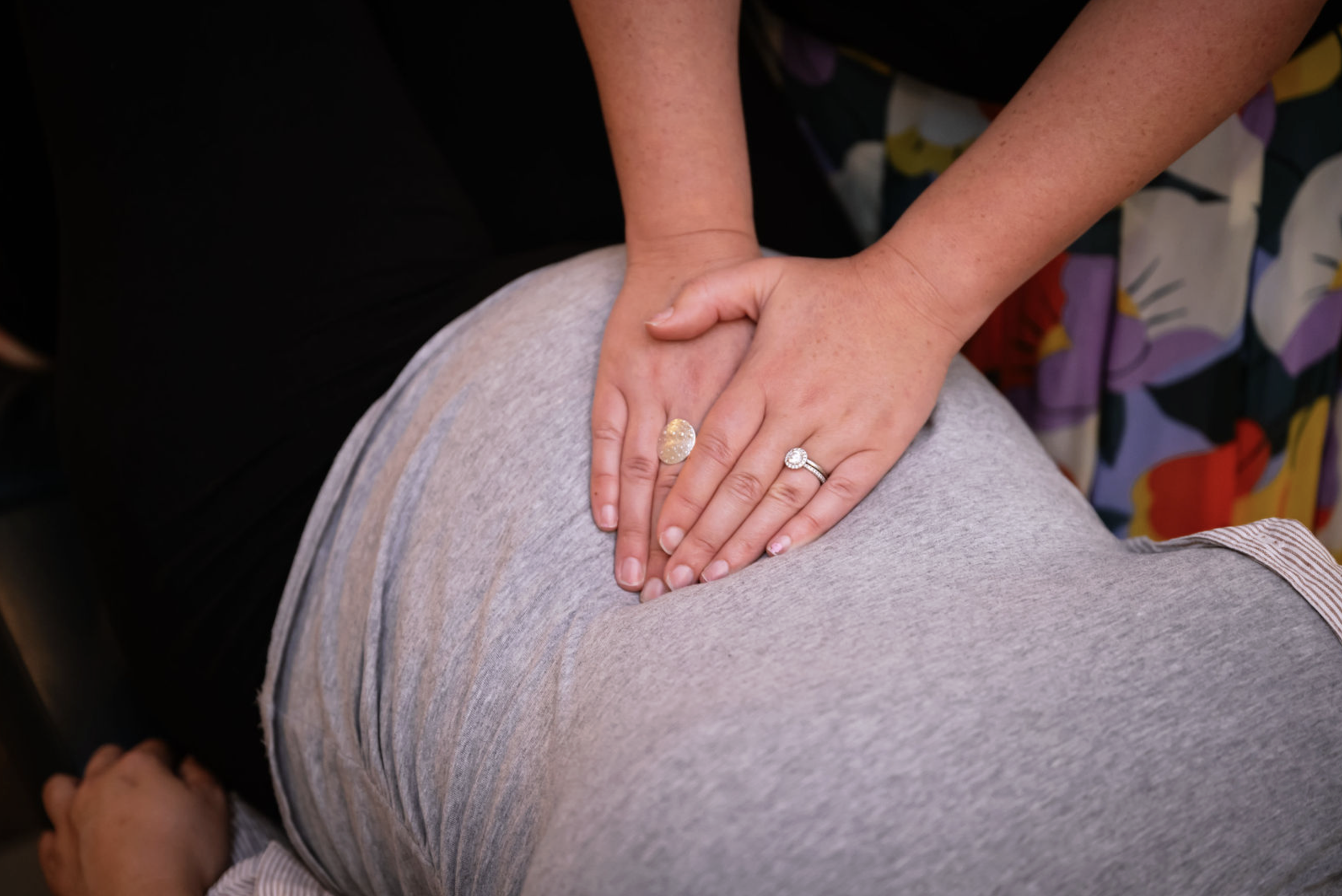
For many women, hormones and cycle health only really come into sharp focus once starting a family enters the picture. Suddenly, all those questions about ovulation, cycle length, and hormone balance become a lot more personal.
If you've been following along with our women's health series, you've already got a head start. In our first piece, we walked through what a normal cycle actually looks like, the follicular phase, ovulation, and the luteal phase that follows. When it comes to fertility, it's really the final few days of the follicular phase, right through ovulation, that matter most: this is the window where your body is preparing to release an egg, and where timing has the biggest impact on the chance of conception.
In practice, we see a lot of women who've been told their bloodwork is “normal” but who are still struggling to conceive, or who simply aren't sure where to start. Often, small things make a real difference: understanding your own cycle through tracking, addressing chronic stress, and making sure the basics including sleep, nutrition, iron levels are properly supported. Fertility really is a whole-body process, and it's just as much about the environment you're creating for conception as anything else.
Supporting Your Fertility
Fertility is a whole-body process, and it's genuinely a shared journey, not just something that rests on the person trying to conceive.
Give your body time. Eggs and sperm both take a few months to fully mature, so it's worth building healthy habits a few months before you start trying, not just once you do.
Eat well. A varied, whole-food diet including plenty of vegetables, healthy fats, and protein supports hormone health for both partners. Consistency matters far more than perfection.
Manage stress. Chronic stress genuinely affects hormone balance and ovulation, so rest, movement, and downtime aren't indulgent they're part of the process.
Protect your sleep. Good sleep supports the hormonal rhythms involved in conception.
Look after the basics. Minimise stimulants (alcohol, tobacco, sugar, caffeine, etc) and unnecessary chemical exposure where you can.
Track your cycle. Use daily temperature measurements or tracking devices (Oura, Whoop, smart watches, etc) to better understand your own cycle and when you ovulate.
If you've been trying for a while without success, it's always worth a conversation with your GP earlier rather than later.
Pregnancy: A Natural Part of Life, Not a Diagnosis
Once you're pregnant, it's worth remembering: pregnancy itself is not an illness. It doesn't need to be treated like a medical condition to be managed and monitored at every turn. It's one of the most natural processes the human body goes through, even though, in Western medicine, it's often approached from a place of risk management rather than trust in the body's own capability.
None of this means skipping genuine medical care, regular antenatal checks matter, and if anything ever feels wrong, always reach out to your care team. But there's a real difference between monitoring for safety and treating a normal, healthy pregnancy as though something is inherently wrong.
Pregnancy is one of the most significant times in a woman's life, and it's not just about a growing belly. Hormone levels shift dramatically and continuously across all nine months, supporting the pregnancy itself, preparing your body for birth, and eventually, for feeding your baby. It's a huge amount of change happening constantly, which is part of why the physical and emotional experience of pregnancy can vary so much, even for the same woman across different pregnancies.
Each stage of pregnancy is unique and comes with its own challenges as your body changes and your baby grows and develops. Some of the most common things we support in practice include low back and pelvic discomfort, postural changes as your centre of gravity shifts, and general aches as ligaments soften in preparation for birth. Gentle, pregnancy-safe chiropractic care can be a genuinely comforting part of pregnancy for many women, supporting posture, comfort, and mobility as the body changes alongside rest, gentle movement, and leaning on the people around you.
Preparing for Birth, Your Way
When it comes to birth, we believe strongly in supporting women to prepare their body and explore all of their options, rather than following one prescribed path. Public hospital care, private obstetric care, midwifery-led models, and, for some women, homebirth are all valid choices and what's right for you may look completely different to what's right for someone else.
It's worth having a general idea of what an ideal birth might look like for you. But it's just as important to understand the full range of things that can happen once labour begins because no two births are the same, and even the best-laid plans sometimes need to flex on the day. Going in informed about all the possibilities, rather than fixed on a single outcome, tends to make the experience feel far less overwhelming, whatever direction it takes.
It's easy to think of birth as the finish line, the moment everything you've been working toward finally arrives. But birth is really just the beginning of the next phase of your life: parenthood. The transition into being a parent is its own enormous journey, and it deserves just as much preparation, support, and grace as the birth itself.
The Fourth Trimester
The weeks after birth, often called the “fourth trimester” bring their own wave of change. Your body is recovering from birth itself, while at the same time adjusting to producing breast milk, a process that continues to shift and settle over the first three to four months. Alongside the physical recovery, there's an enormous emotional adjustment happening too, as you settle into your new role.
Recovery takes real time, and “bouncing back” quickly was never a fair expectation to begin with. Having support lined up before baby arrives, help with meals, household tasks, or simply company makes a genuine difference, as does checking in on how you're feeling emotionally as much as physically.
The first 3 months after birth can be challenging for a lot of families, especially if bub is having issues with feeding, sleeping or other health issues. We encourage our expectant mums to spend time learning about this stage before the birth. We have developed a network of professionals such as lactation consultants and sleep coaches who we trust and recommend to our families. Just like each birth is unique, so too is journey in the first few months of a babies life.
From your very first thoughts about starting a family, through pregnancy, birth, and those early months as a new parent, our team at Mt Martha Family Chiropractic is here to support you and your family through all of it. We also work alongside a strong network of other professionals in this space from GPs and obstetricians to lactation consultants, pelvic health physiotherapists, and psychologists so you're never navigating this journey alone.