

Growing Pains: What’s Really Happening During Puberty
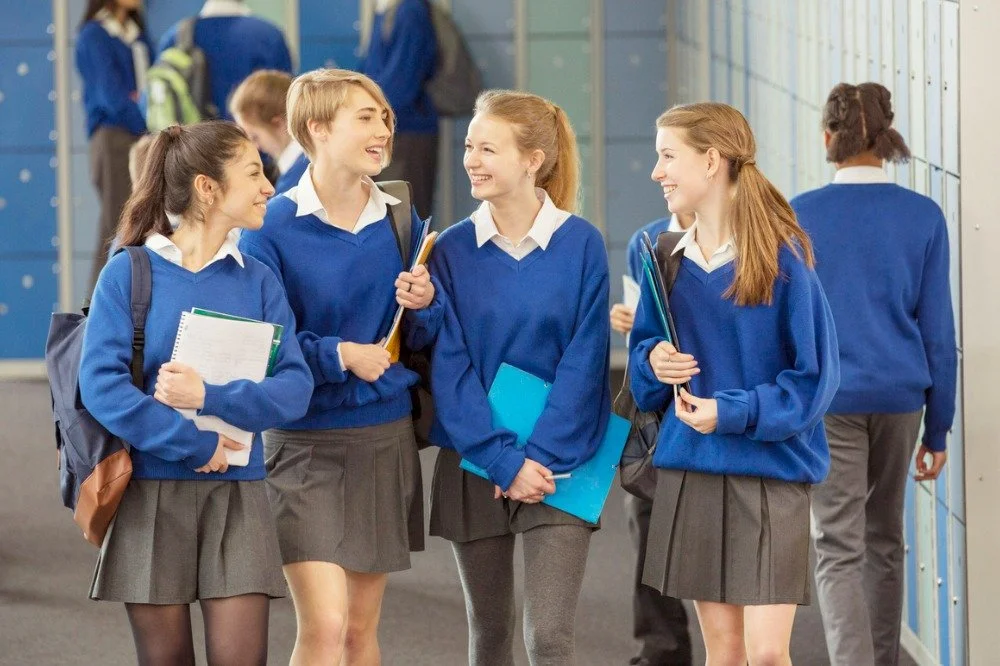
Puberty is one of the biggest stages of growth and development a person ever goes through, right up there with those first few years of life. It's a lot, physically and emotionally, but it's also entirely natural: a hormone system that's been quietly dormant since infancy switching back on, orchestrating one of the most significant transformations the body ever experiences.
As family chiropractors, this is a demographic we think gets overlooked. So much focus goes to early childhood development, and later on to women's health in the perimenopause years and beyond, but the teenage years deserve just as much attention. The hormonal changes driving puberty don't just affect reproductive development; they influence posture, sleep, mood, skin, energy, and so many other parts of a growing person's overall health and wellbeing.
If you're parenting a tween or teen right now, or you're simply curious about what your own body went through, here's what's actually happening, physically, neurologically, and emotionally, and a few ways to make the ride a little smoother.
A quick note before we dive in: female physiology runs on genuinely different rules to male physiology and puberty is really where that divergence first becomes obvious. This piece focuses specifically on what's happening for girls; boys go through their own, quite different version of puberty.
Where Male and Female Puberty Start to Diverge
Puberty is one of the clearest points in life where male and female bodies visibly start following different paths. Different hormones lead the process, oestrogen for girls, testosterone for boys and on different timelines (girls generally begin a year or two before boys), producing different physical changes.
But the differences go well beyond what's visible. Internally, girls' and boys' bodies begin needing genuinely different things, nutritionally, hormonally, and in terms of rest and recovery, a theme that's true throughout life.
What’s Actually Happening
Puberty starts when the brain sends a signal to the ovaries to “wake up,” kicking off a cascade of hormones led mainly by oestrogen. In most girls, this happens somewhere between ages 8 and 13, though every timeline is different, and that's completely normal. The changes tend to follow a general order:
Breast development: Usually the first visible sign
Pubic and underarm hair: Follows soon after
Periods (menarche): Typically arrives around two to three years after breast development begins
There is no single “right” age for any of this. Genetics, nutrition and overall health all play a part in the timing.
The Teenage Brain: A Work in Progress
One of the most under-appreciated parts of puberty is what's happening in the brain. During adolescence, the brain goes through one of its biggest reorganisations since infancy: synaptic pruning, where unused connections are eliminated, and myelination, where the connections that remain get wrapped in a protective coating that makes them faster and more efficient.
The catch is that this doesn't happen evenly. The emotional part of the brain, the limbic system, which drives feelings and reactions, matures well before the rational, decision-making part (the prefrontal cortex), which isn't fully finished developing until the mid-to-late 20s.
That gap is a big part of why the teenage years can feel so intense. Bigger emotions, more sensitivity to friendships and social approval, and a pull toward new experiences. It's not a character flaw or bad behaviour; it's a brain that's still under construction.
Interestingly, this timeline also differs between girls and boys. Research suggests female brains tend to complete key parts of this maturation process generally a year or two earlier than male brains. This is part of why teenage girls and boys of a similar age can seem to be operating on completely different emotional wavelengths. It's not that one is more mature than the other; they're simply on different timelines.
What We See a Lot in Practice
Growth spurts & posture: Rapid growth can happen quickly during puberty, and we often see postural changes or growing pains come with it. It's a good time to keep an eye on how your child is sitting, standing, and carrying their school bag.
Irregular or painful periods: Very common in the first couple of years after periods start, while the body finds its rhythm. Mild irregularity is normal, but pain that interferes with school or daily life is worth a conversation, not something to just push through.
Hormonal acne: Frustrating and common, and usually tied to the same hormonal shifts driving everything else. There's more that can help than simply waiting for it to pass.
Disrupted sleep: A teenager's body clock genuinely shifts later during puberty, making it harder to fall asleep early and harder to wake up and screens tend to make this worse, not better.
Hormones, Everyday Toxins and Stress
Two other factors are worth knowing about, because they're easy to overlook. The first is everyday chemical exposure. This includes certain plastics, fragrances, and personal care products that contain compounds that can interfere with hormone signalling. You don't need to overhaul your entire household, but small swaps (glass or stainless steel over plastic, fragrance-free personal care products where practical) can genuinely help reduce the load on a developing hormonal system.
The second is stress. Chronic stress raises cortisol, which can interfere with the same hormonal pathways driving puberty. A consistently high-stress environment (academic pressure, social stress, family stress) can genuinely affect how smoothly this process unfolds. Supporting a teenager's stress levels isn't just about emotional wellbeing; it has real physiological flow-on effects too.
Mental Health During Puberty
It would be an oversight to talk about puberty without mentioning mental health. The hormonal and neurological changes covered above genuinely increase vulnerability to anxiety and low mood during adolescence. This is a well-documented pattern, not a reflection of anything being “wrong.”
Some emotional ups and downs are a normal part of this stage of life. But if you notice persistent changes including, withdrawal from friends or activities, ongoing low mood, big changes in eating or sleep beyond what we've already covered, or anything that feels like more than the usual teenage moodiness, it's worth reaching out for extra support, whether that's a GP, school counsellor, or psychologist. Checking in regularly, and keeping the conversation open, makes a genuine difference.
Easy Steps to Support a Healthier Puberty
Protect sleep: Consistent bedtimes make a real difference, even with a shifting body clock. It matters even more today, since screens compound the problem. Blue light suppresses melatonin (the hormone that signals it's time to sleep), and stimulating content keeps the brain wired well past bedtime, so clear boundaries around evening screen time are one of the most effective things a family can do.
Keep meals balanced: Regular meals with protein, healthy fats, and plenty of colour support growth and hormone health, no need for anything restrictive or complicated.
Consider gentle chiropractic support: Regular check-ins during growth spurts can help ease growing pains and support posture as the body changes rapidly.
Reduce everyday chemical exposure where practical: Many everyday household products including skin care, personal care items, and plastics contain compounds that can disrupt hormone signalling. Small swaps (glass or stainless steel over plastic, fragrance-free skin care where practical) can help take some pressure off a developing hormonal system.
Manage stress: Downtime, movement, and connection all help buffer the physiological impact of a high-stress environment.
Keep the conversation open: Normalising conversations about periods, acne, mood, and body changes helps take the stigma and stress out of it, and keeps the door open if something's genuinely wrong.
When to Get a Little Extra Support
Most of puberty is simply a process to move through, not a problem to fix. But if periods haven't started by the mid-teens, if pain is significant, if mood or behaviour changes feel like more than “just puberty,” or if something just doesn't feel right, it's always worth a conversation with your GP or our team.
Puberty can feel like a lot for parents and kids alike. If you'd like support navigating any part of it, we're always happy to chat.