

Hands on India Trip - Feb 2026
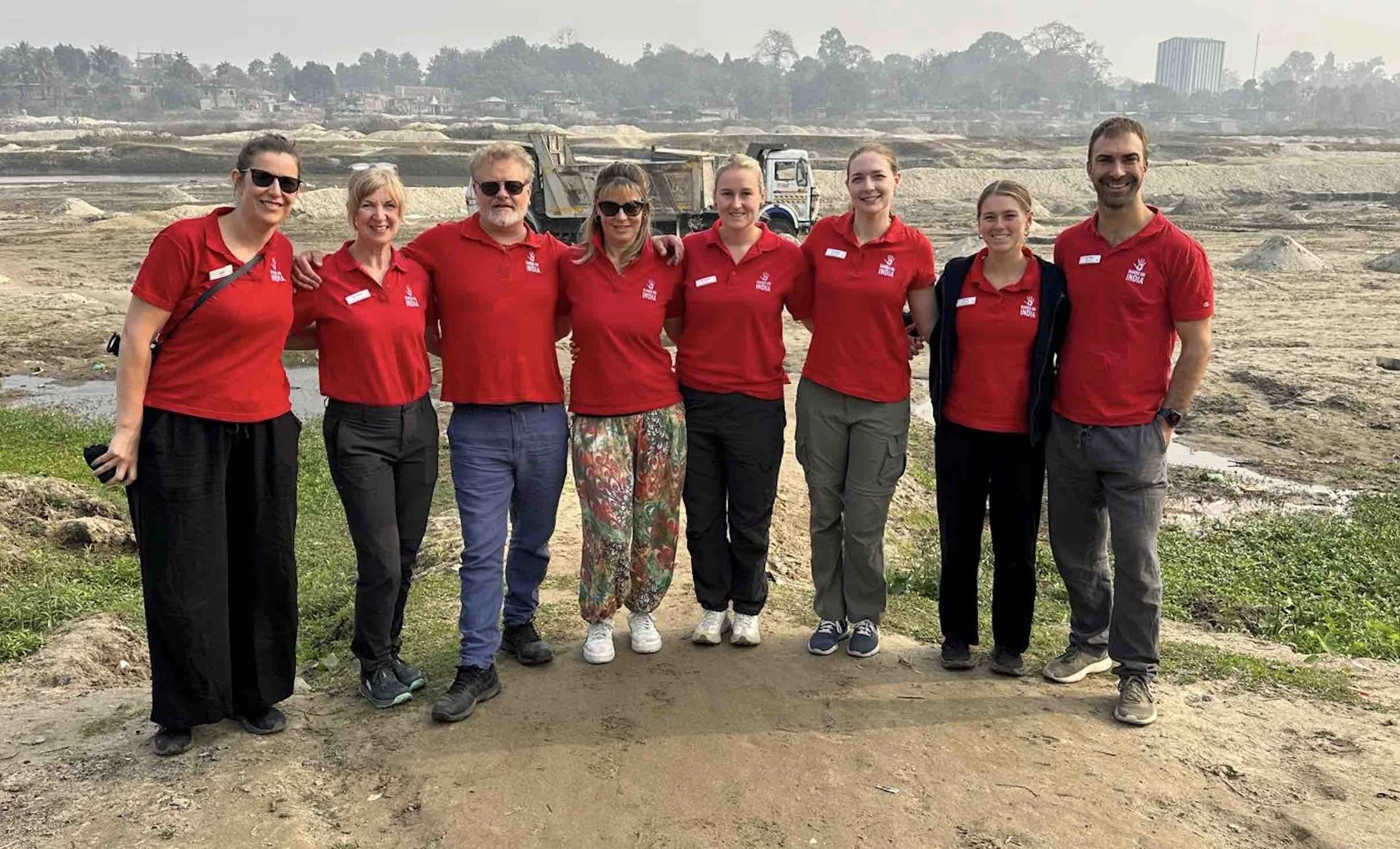
In February 2026, I had the opportunity to join 22 chiropractors and assistants as part of Hands On India 2026, to provide chiropractic care for schools and rural communities around Siliguri in the North East of India (close to the Nepal and Bangladesh borders).
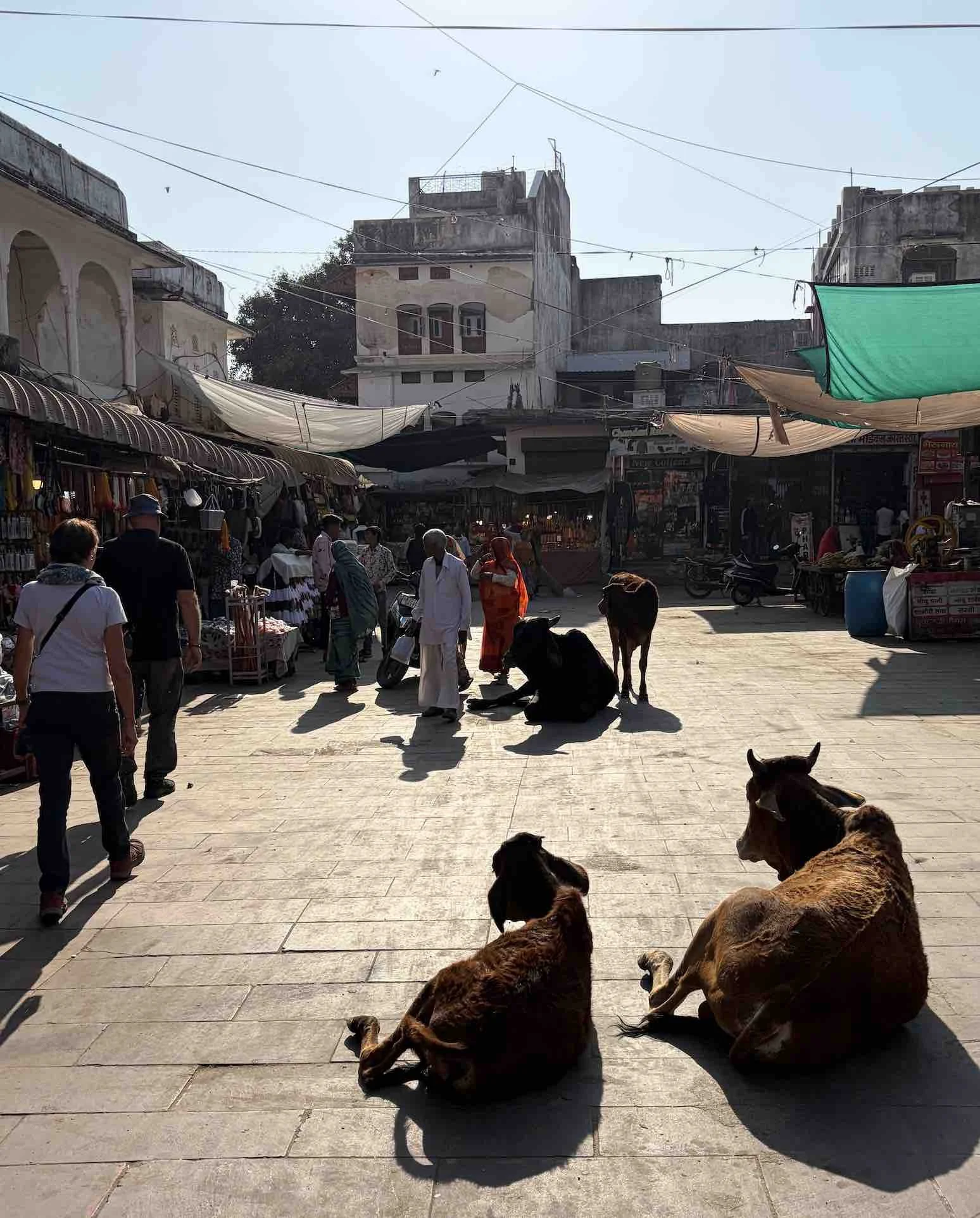
I signed up for the experience as I have several friends that have been over the years and a few of them were also on going in 2026. While their stories of previous trips were what motivated me to sign up this year, they also helped prepare me as well. While I did feel like I was prepared for the trip, as many people had warned me, you can never understand India until you experience it. I understood the culture shock the night I arrived. We drove to the hotel at about midnight, we past cows in the middle of the street and people sitting on the side of major roads around fires and outside tents they lived in.
Arriving in India (Delhi - Agra - Taj Mahal)
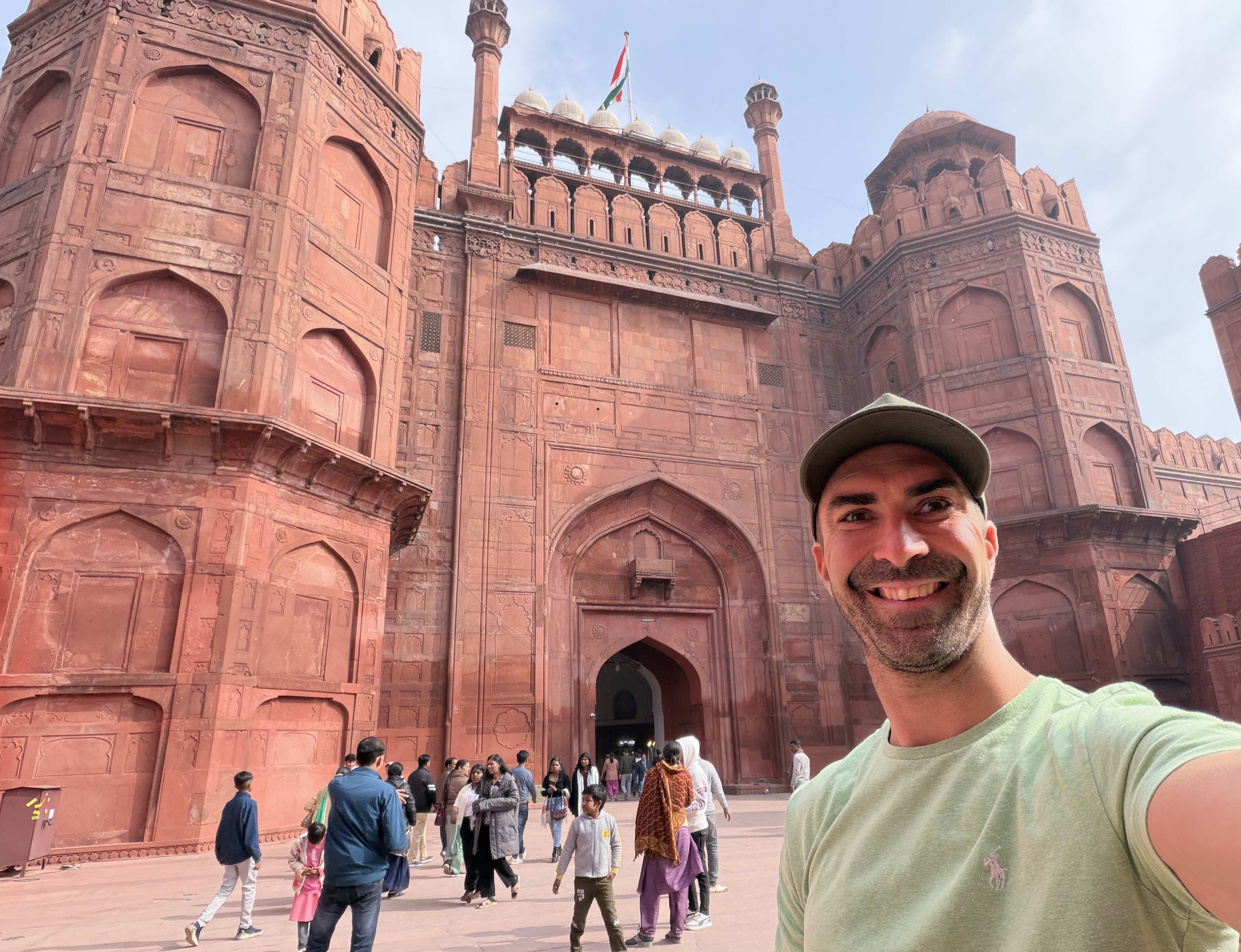
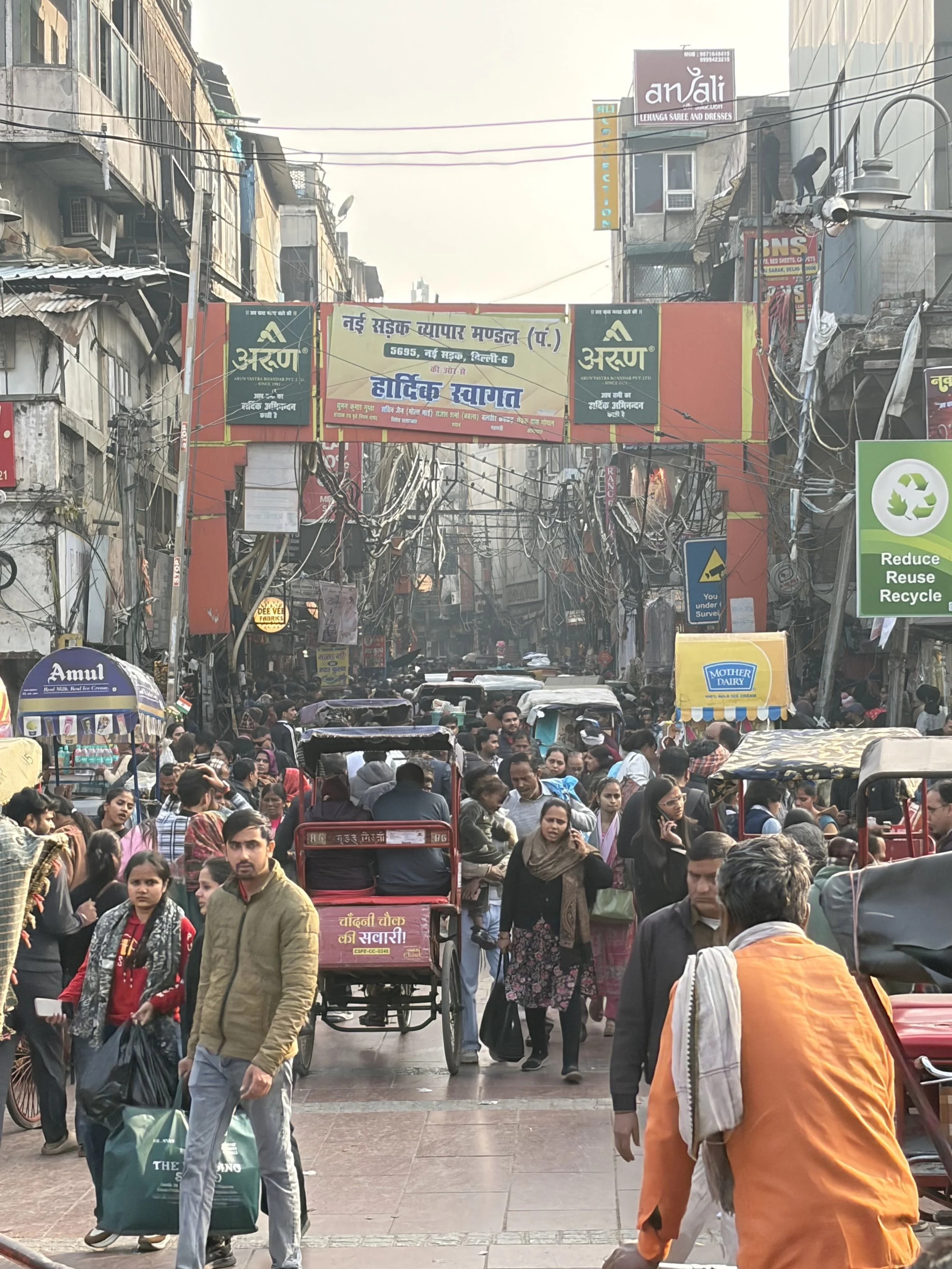
I arrived in India a few days earlier than required for the HOI work, to have a day in Delhi and join most of the HOI group on a trip down to Agra to see the Taj Mahal and Agra Fort. On my first morning there were 7 of us and we decided to head to the old part of Delhi to experience the markets and see the Red Fort. As the three of us got out of a car we were surrounded by locals who wanted to be our tour guide or take us to their shop, etc. The 10 mins wait for the other car with our group leaders (who had experience in India) seemed like the longest 10 mins of my life. But as the day went on, I started to get used to the busyness, noises and smells of Delhi.
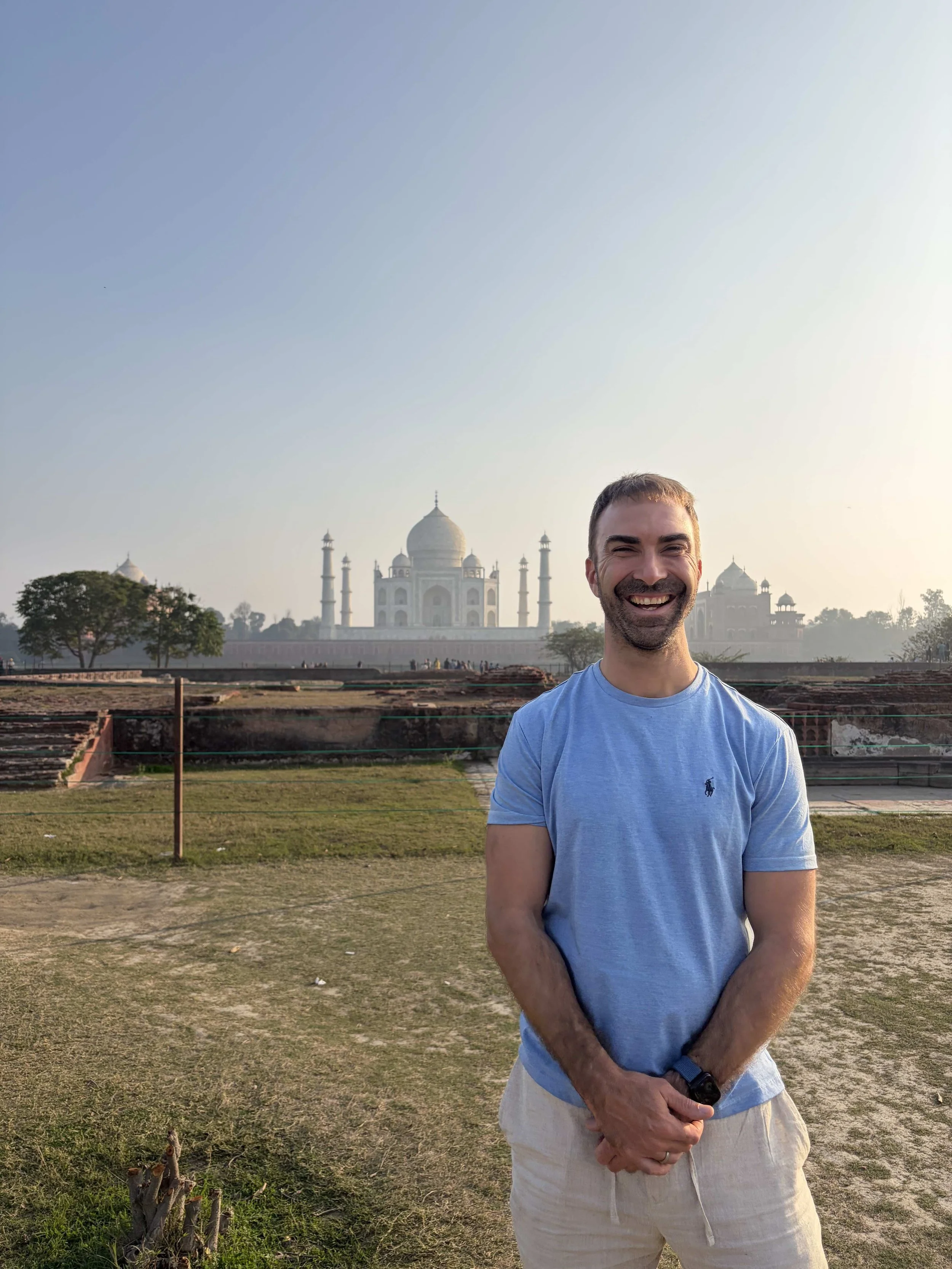
I then joined most of the people from the HOI trip on a 2 day trip down to Agra and saw the Taj Mahal. Unfortunately the morning we visited the Taj was very foggy and I struggled to get good pictures, but we did get a good view the evening before from across the river. I also loved the Agra Fort where the royal family used to live and we had a tour of a rug factory which still creates handmade traditional carpets. It was amazing to watch the craftsmanship used, how long it takes to make a single rug and how each family has their own unique design that they have made for generations.
The work begins! HOI clinics around Siliguri
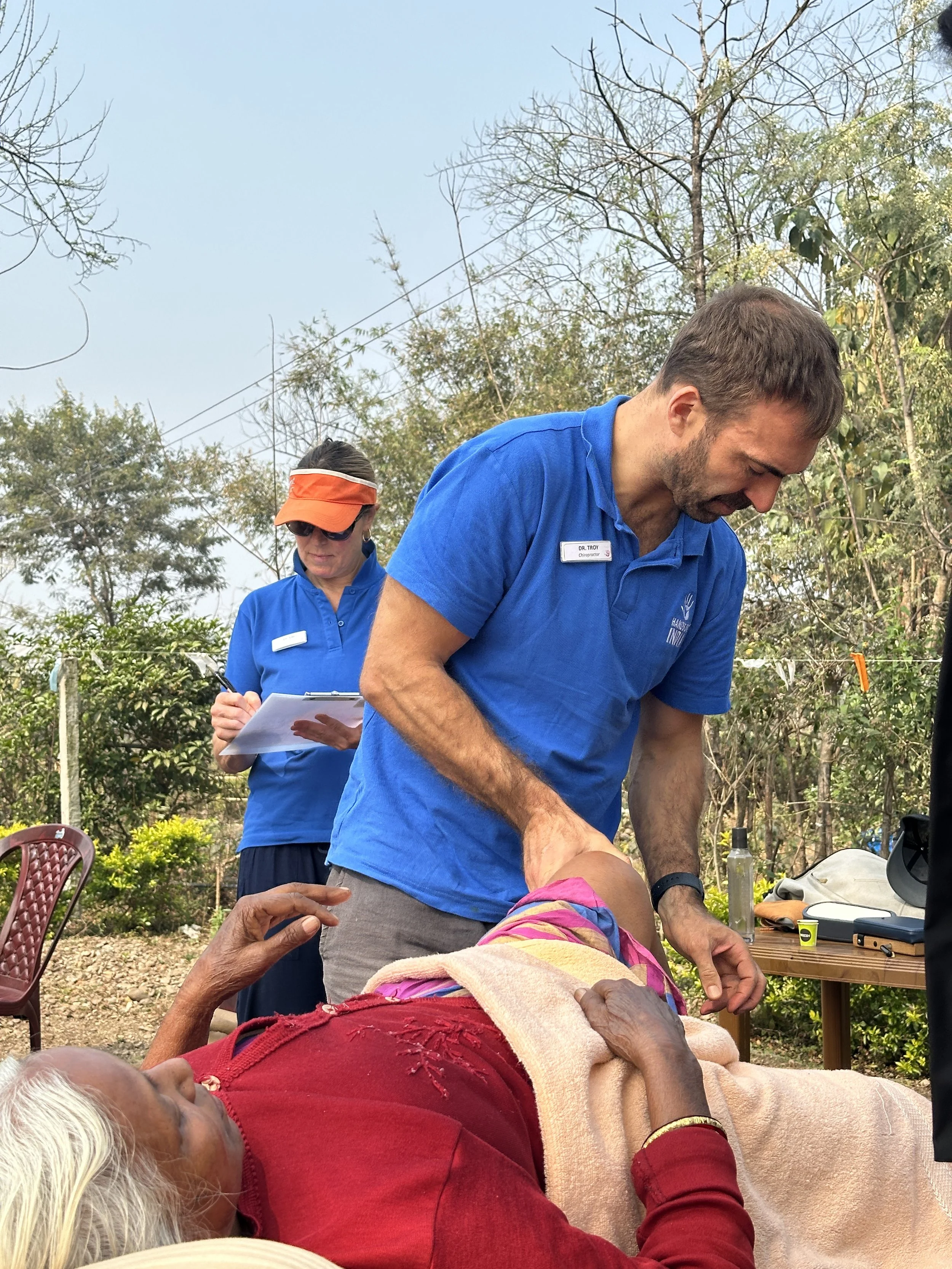
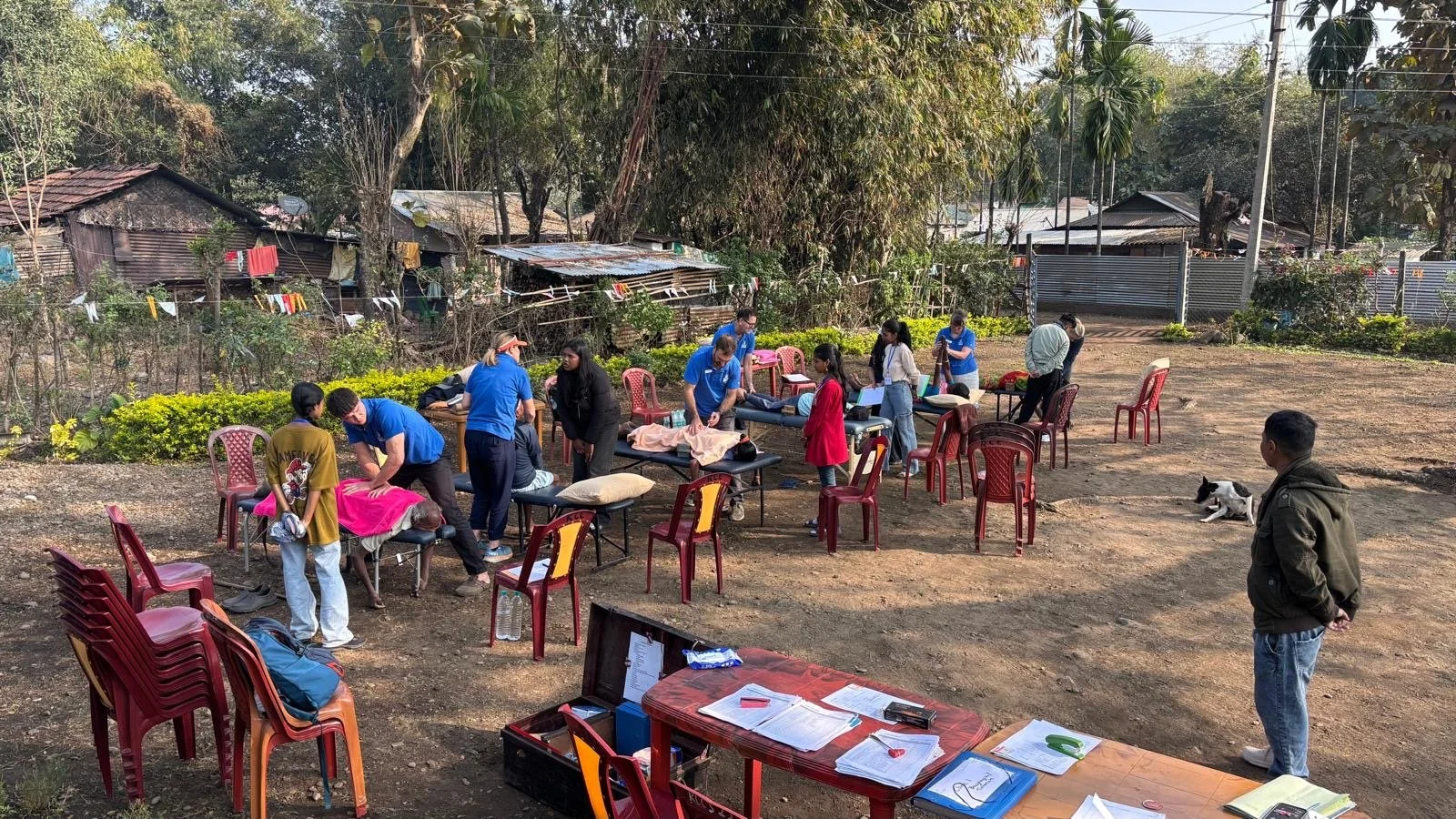
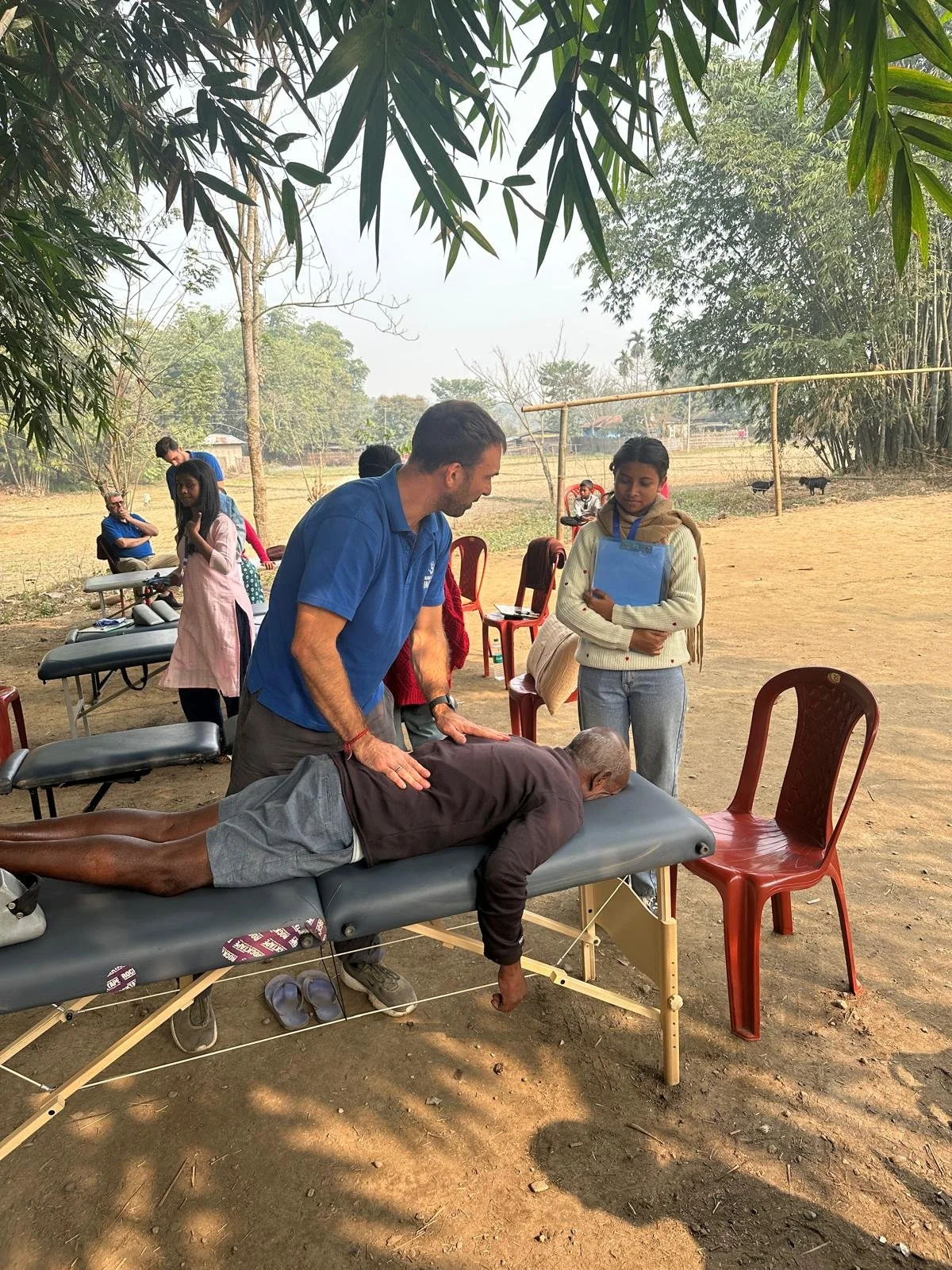
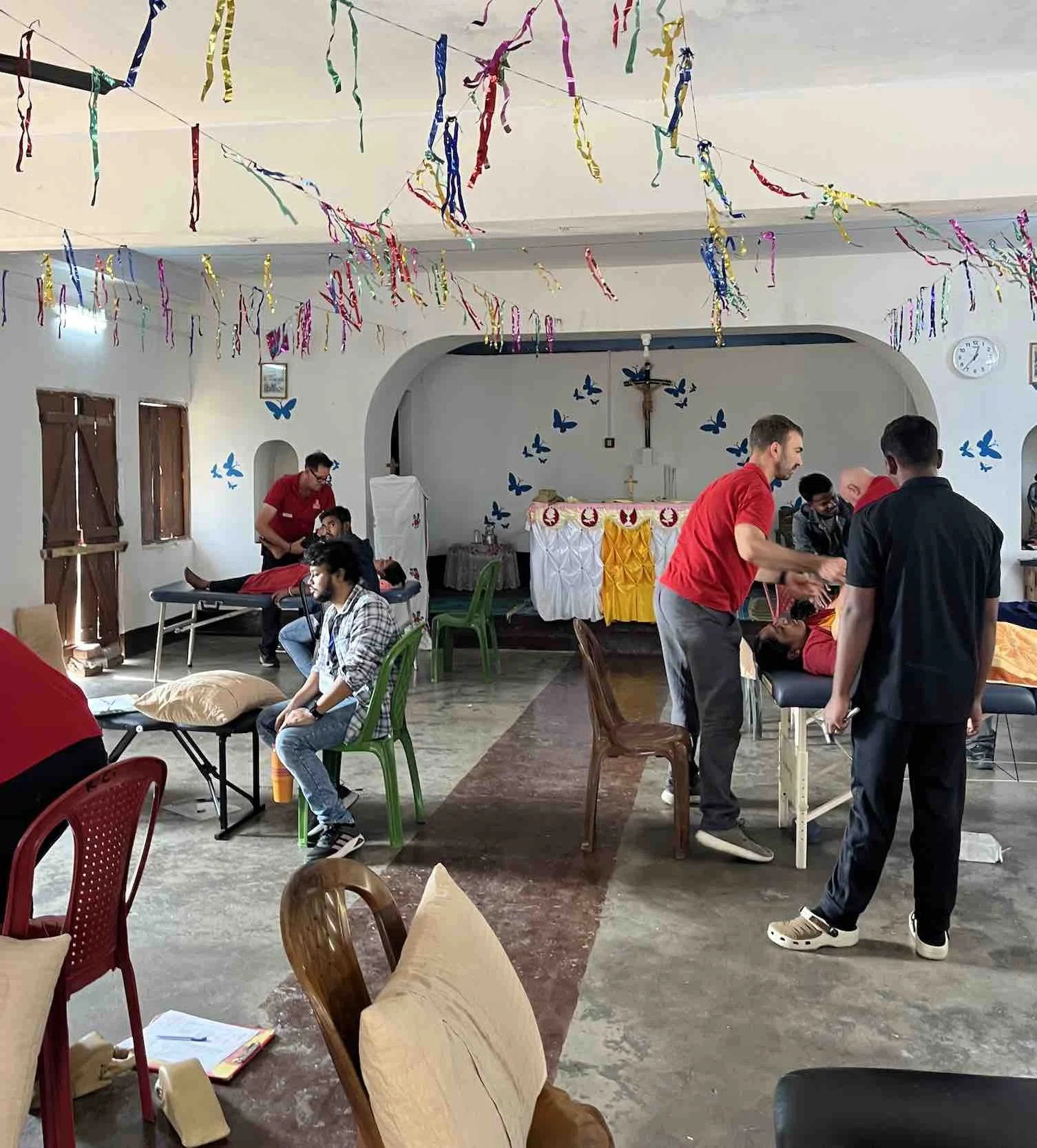
After the Agra trip, the HOI team flew together across to Siliguri to start our 2 weeks of work caring for the communities around Siliguri. The Chiropractic work was more demanding than I had expected with some long busy days in the clinic seeing some challenging cases - many I had only read of in books, never seen first hand in practice. Because there is no easy access to medical care in these communities we were helping people with a wide range of health issues that would often be easily treated by medical doctors here in Australia.
From a chiropractor’s perspective it was very interesting to see and feel the spines of people which were different from what we see in Australia. Many of the female tea pickers had changes to their spinal curves as a result of bending forward and carrying up to 30kg (half their body weight) on their backs 6 days a week for decades. I also noticed far fewer posture issues in all age groups and overall they had much better movement of their spine compared to people in Australia. I would attribute this to having a more active lifestyle in India and having minimal or no time on screens. I imagine that is what more of our spines were like 30-40 years ago when more people had physical jobs and before computers were commonly used.
Weekend Break in Darjeeling
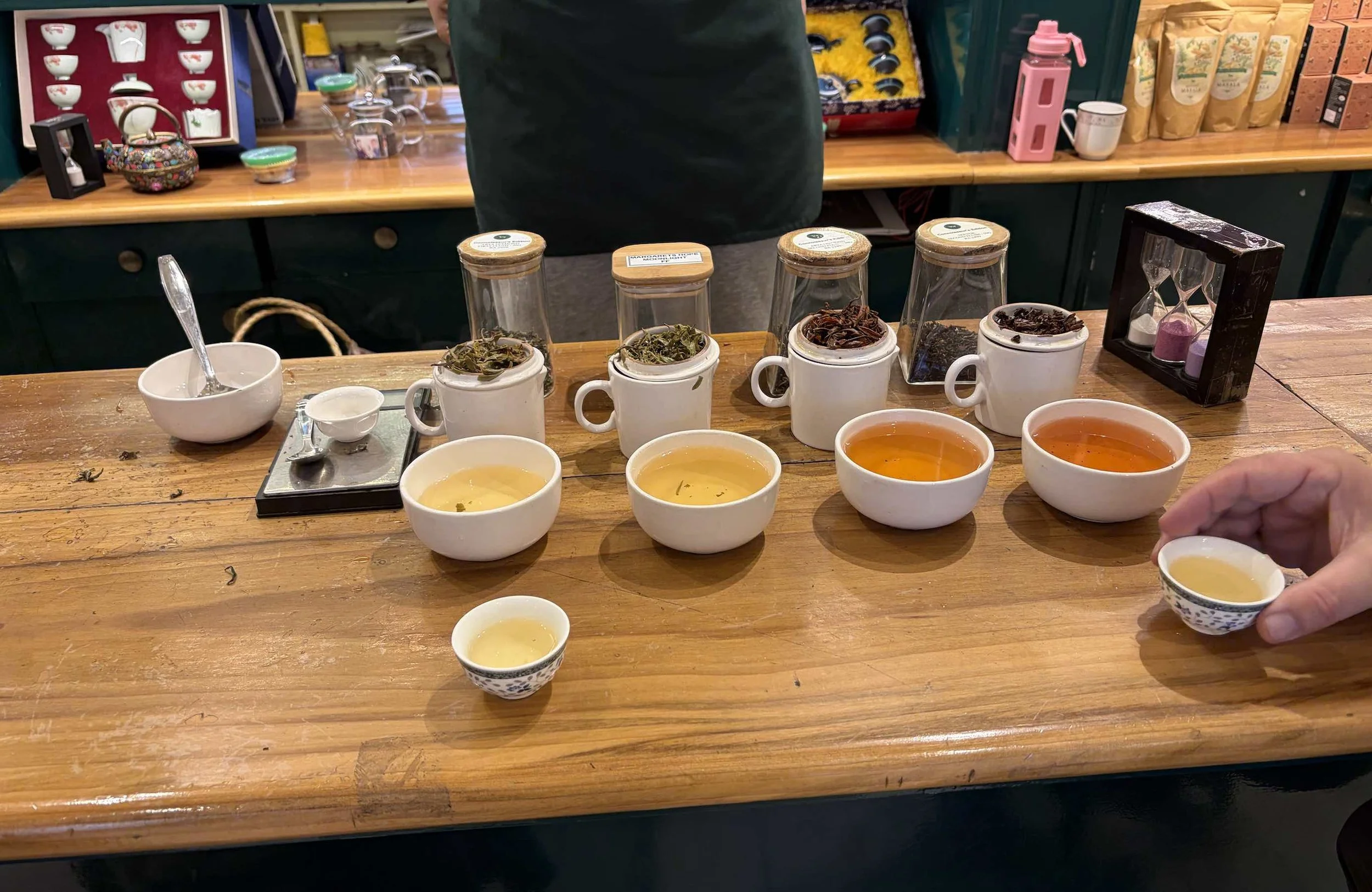
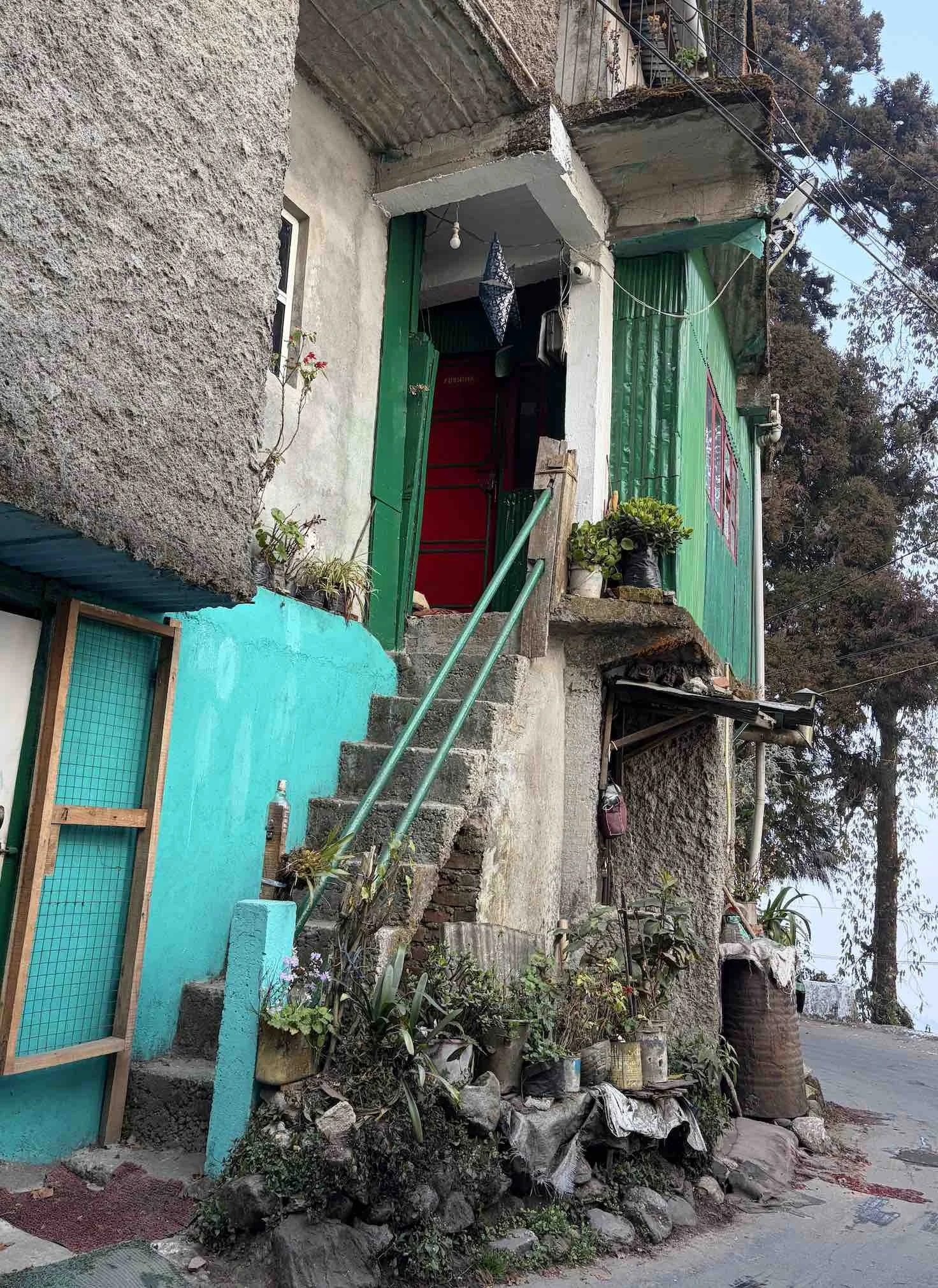
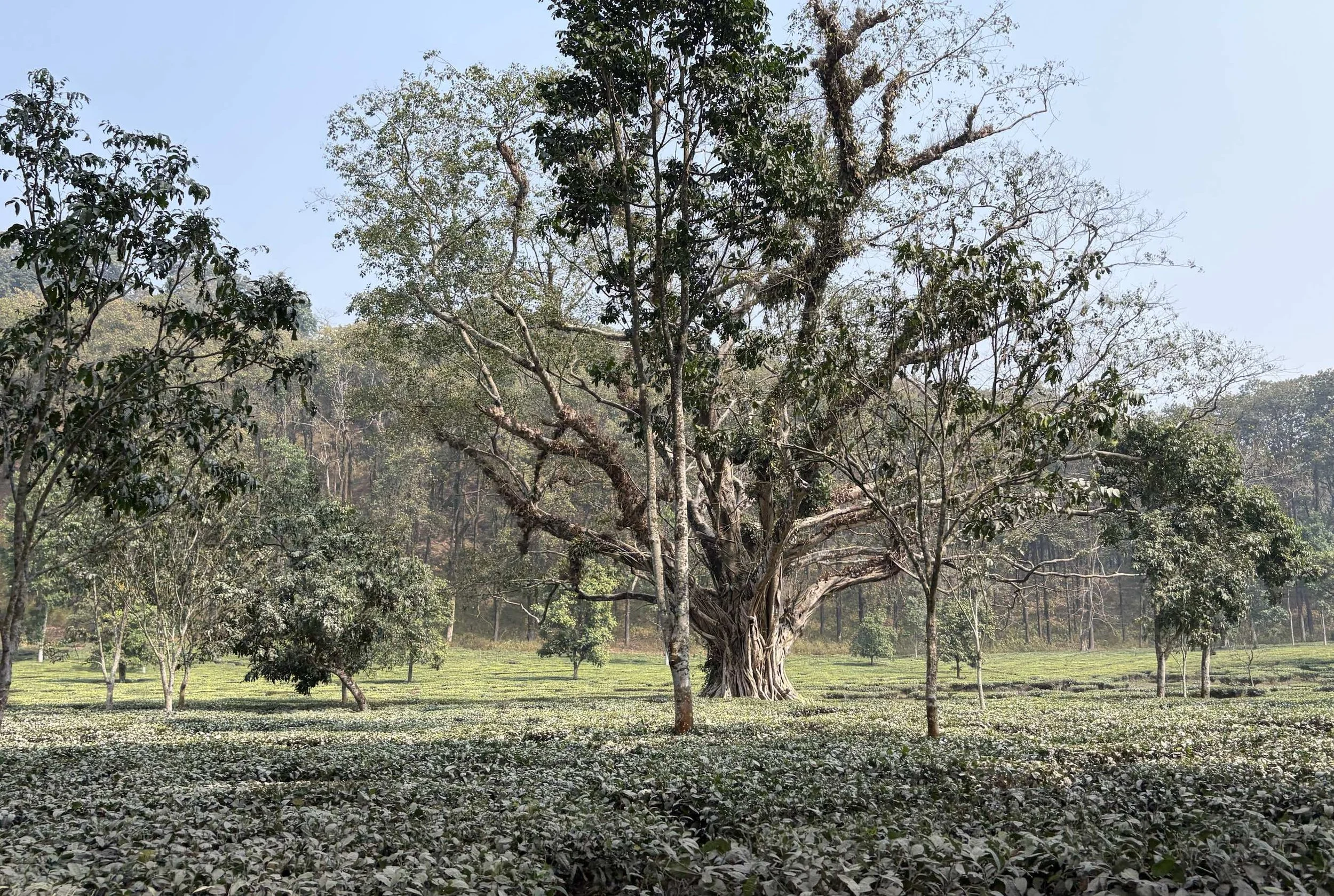
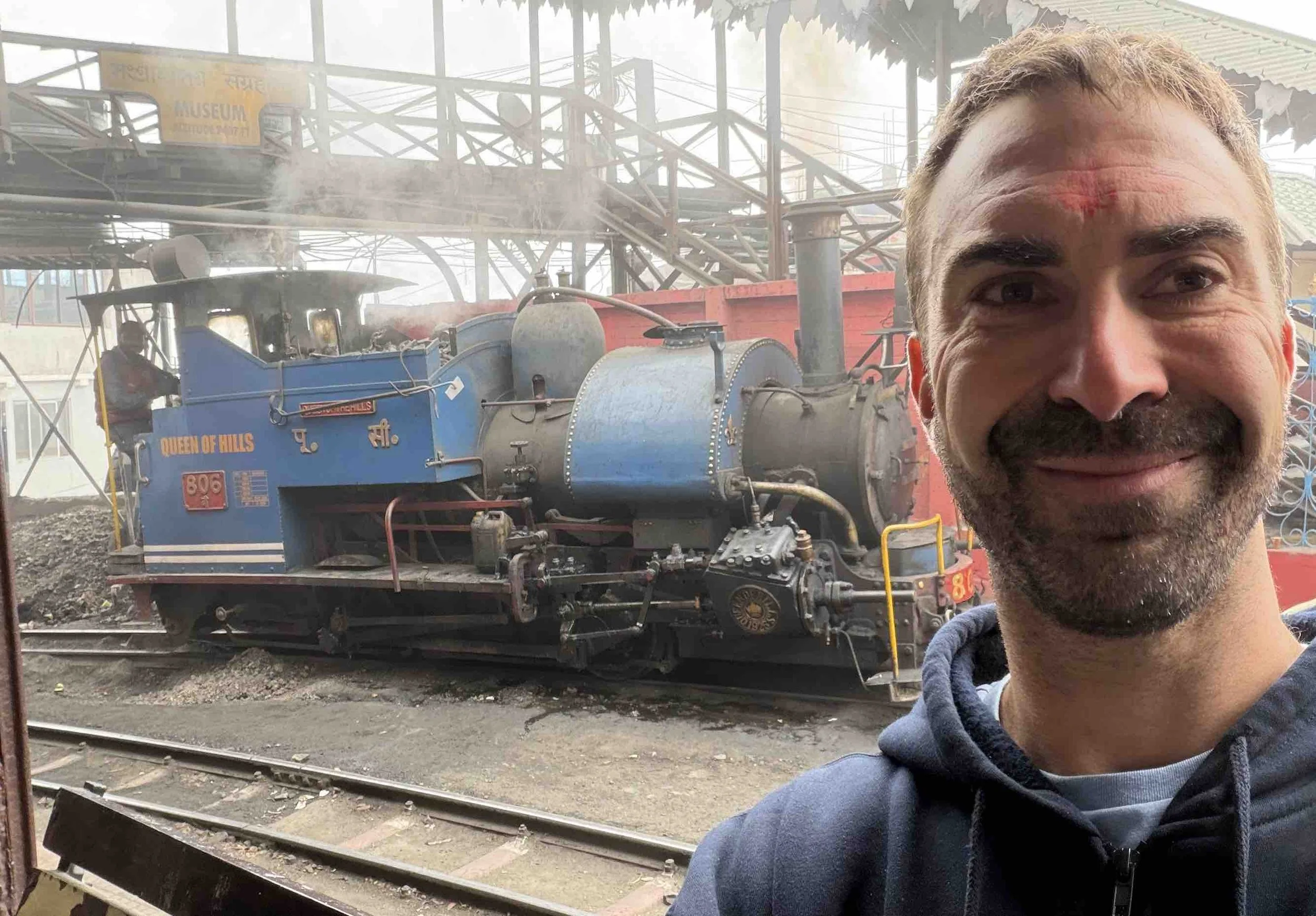
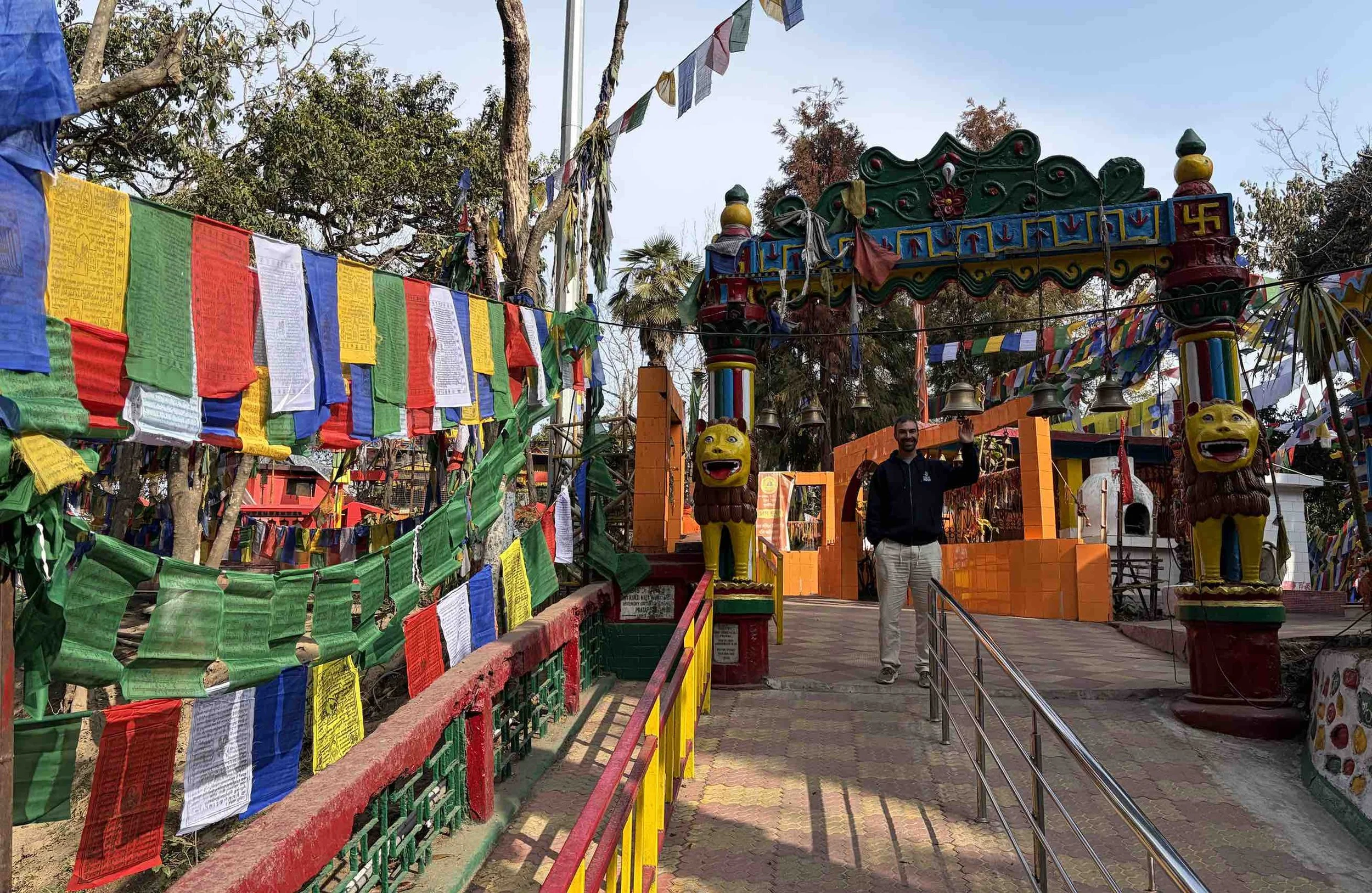
The hard days in the clinics often felt compounded by the basic conditions we had where we were staying (only a few of us had hot showers) and none of the comforts of home that often help after a big day. But one of my highlights of the trip was our middle weekend that we spent in Darjeeling up in the Himalayas. I absolutely loved Darjeeling and would love the opportunity to go back there again one day. It was a clash of cultures with the local Gurkhas being more Nepalese than Indian and Buddhism blending with Hinduism. I also fell in love with the tea of the region - if you like tea, then I highly recommend getting some Darjeeling 2nd flush to try (I have a great tea shop in Darjeeling now - mayukhtea.com)
Back to work - Week 2 in the clinics
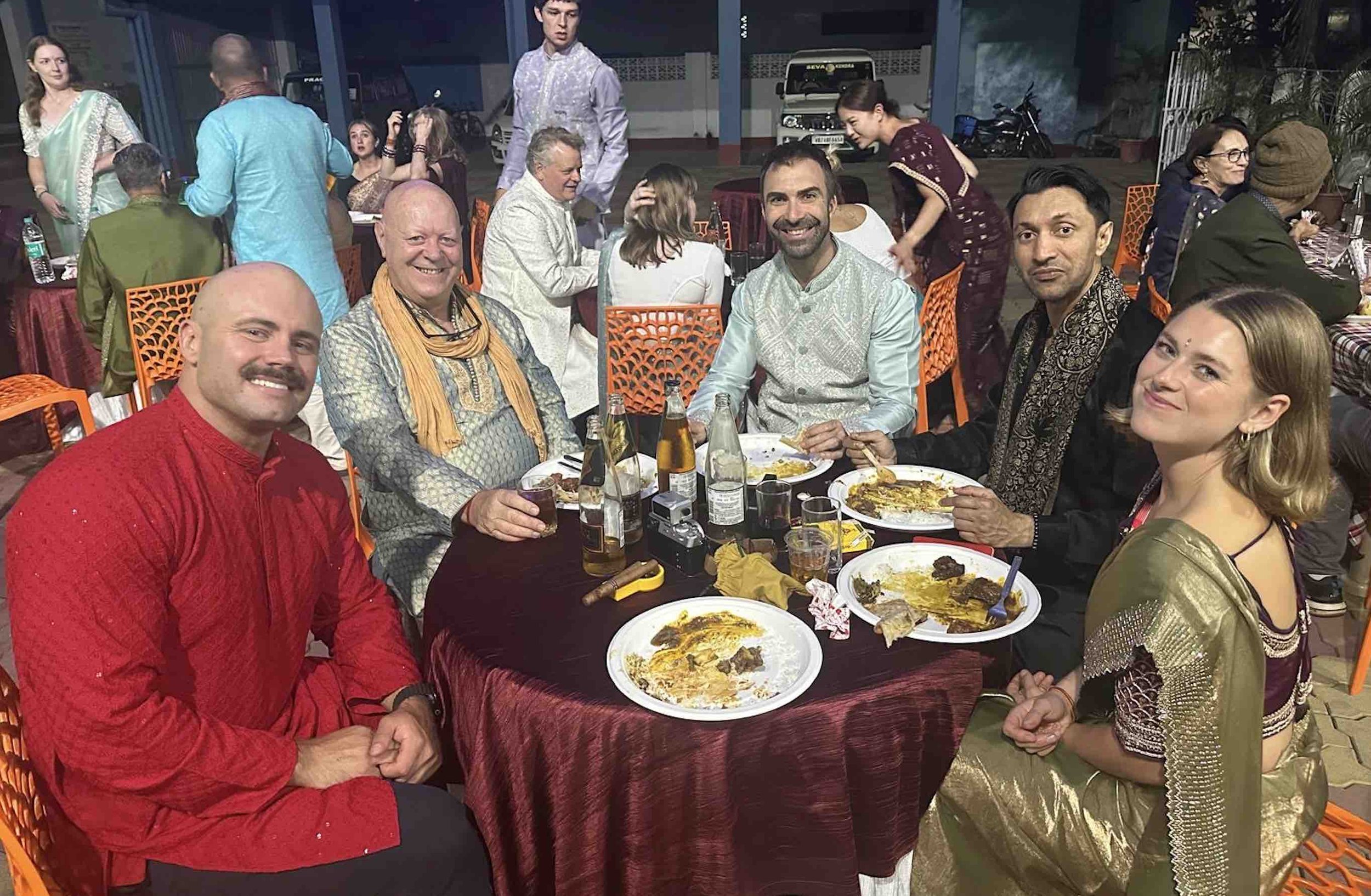
The second week was again working in the clinics, getting a tour of the river beds where the rock breakers work and the families live and attending several HOI events - we were the guests of honour at the school sports day and at the annual meeting of all the women's health groups attended by 100’s of women who had travelled to be there. It was amazing to watch the kids compete and join in with some of the games at the end of the day. Another special moment was the end of the women's health day that finished with everyone dancing in a large circle all together with the HOI crew all spread out in the circle.
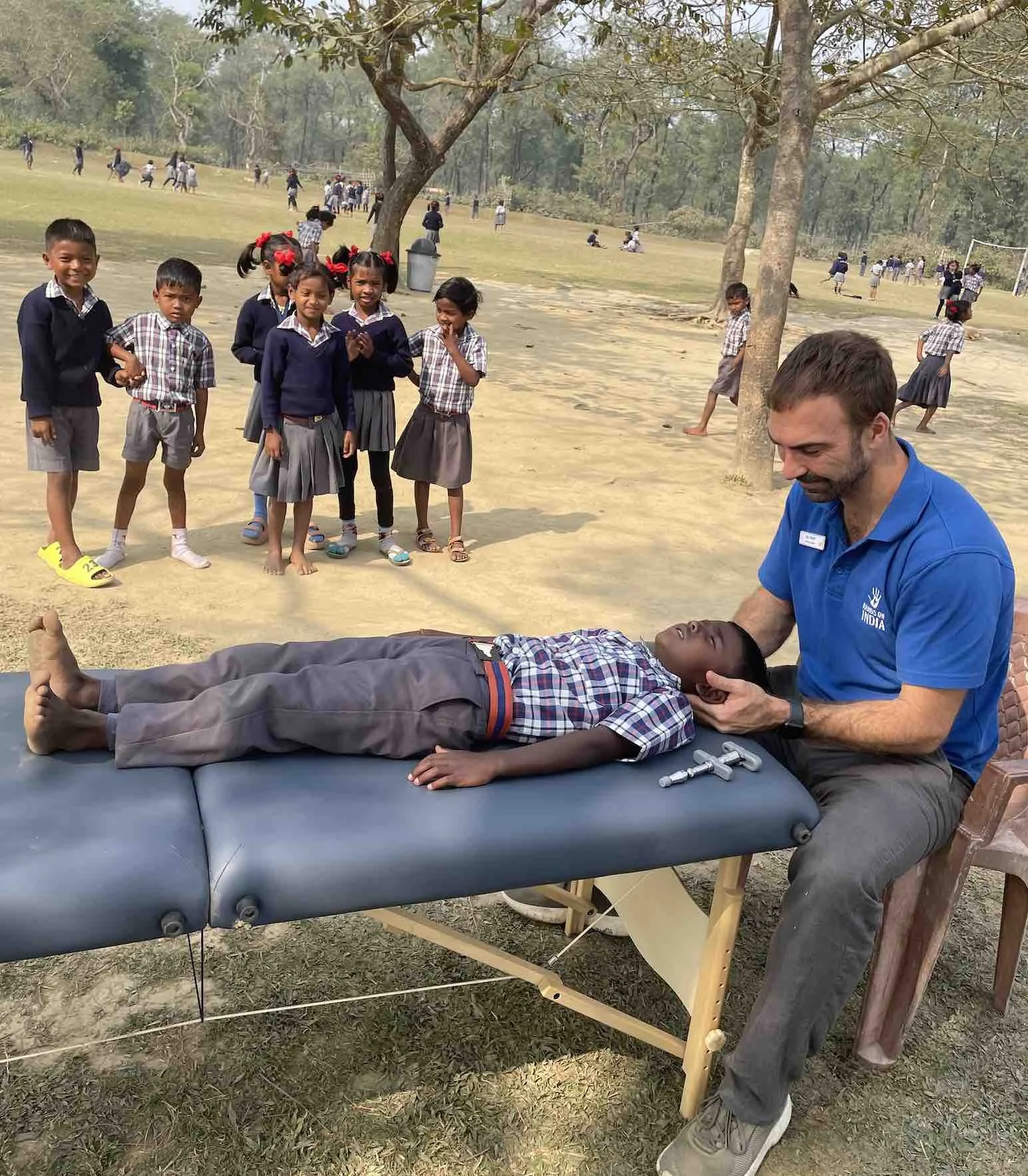
Although it was a big 2 weeks and the work was more demanding than I was expecting, the team provided over 2300 chiropractic adjustments to over 1100 people including the children at the HOI funded schools which is an amazing result.
A ‘holiday’ in Rajasthan
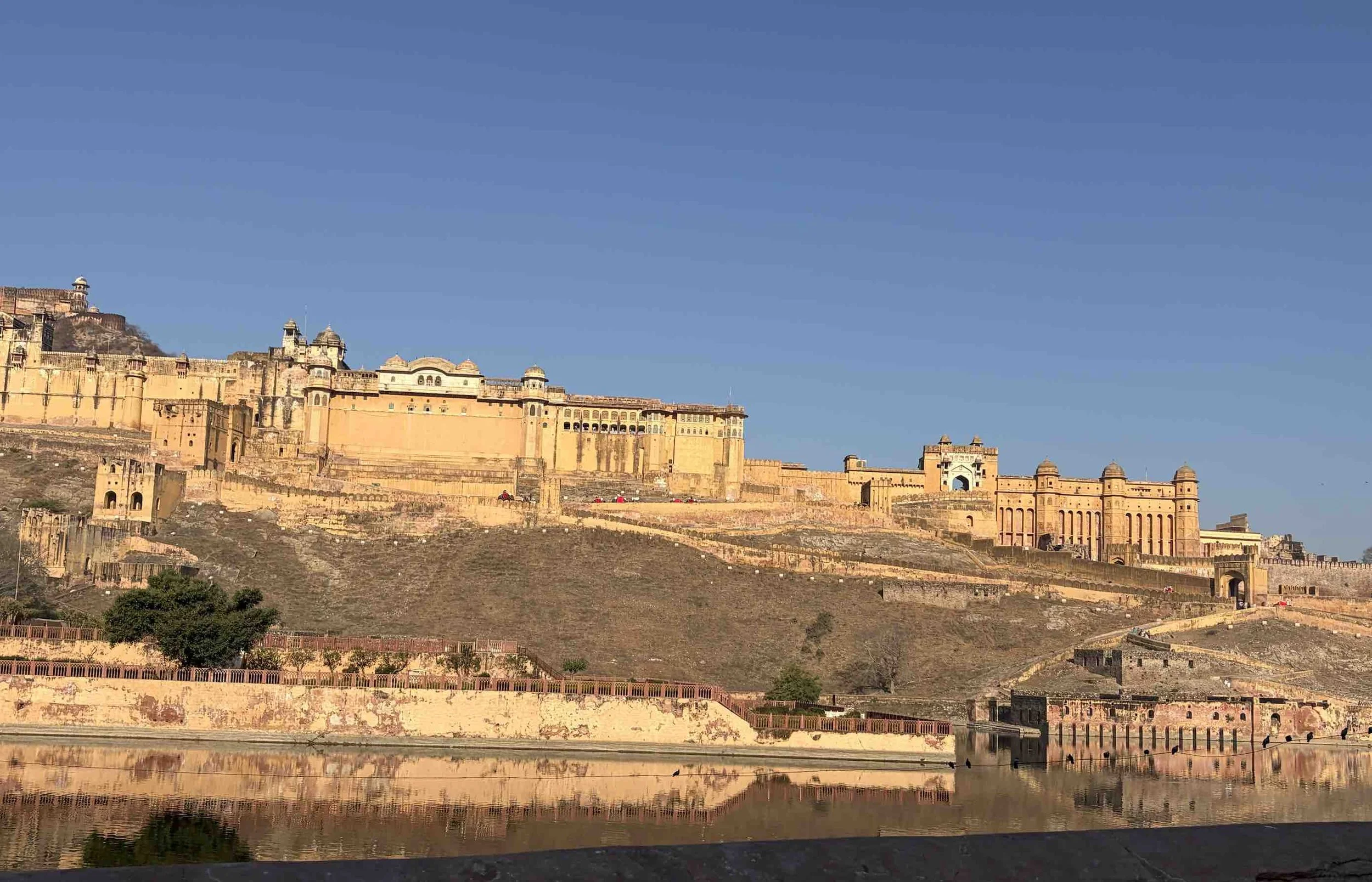
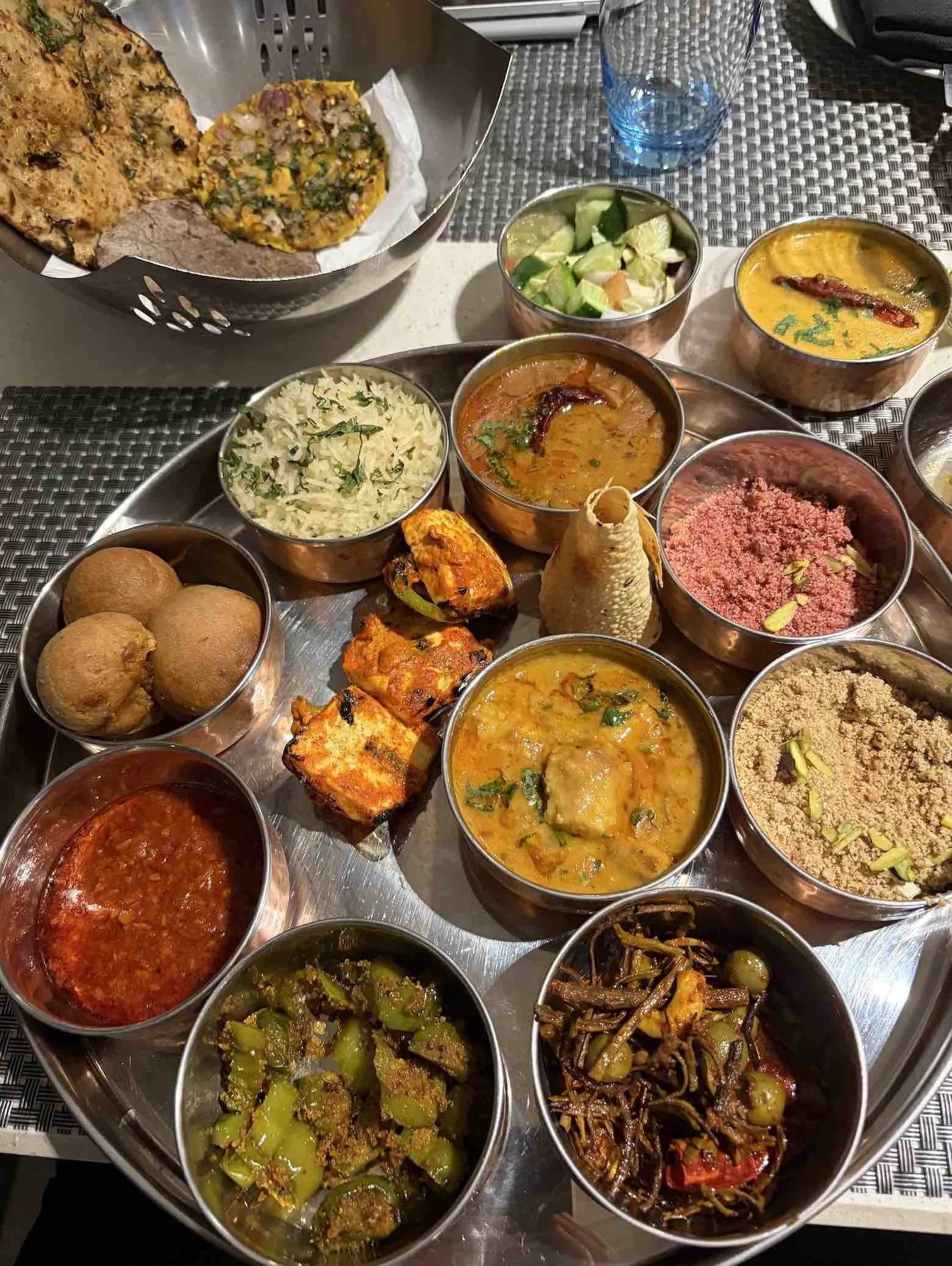
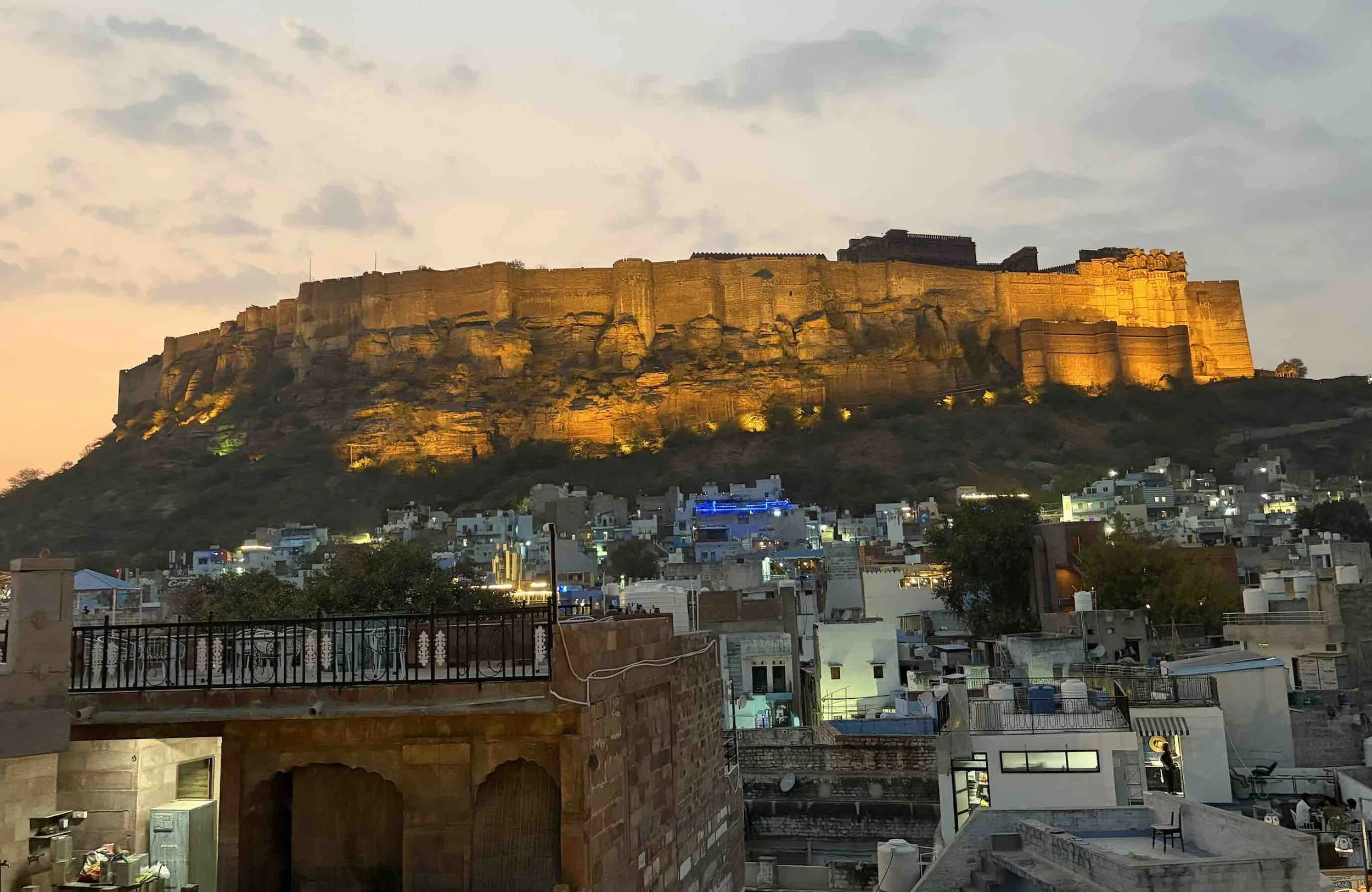
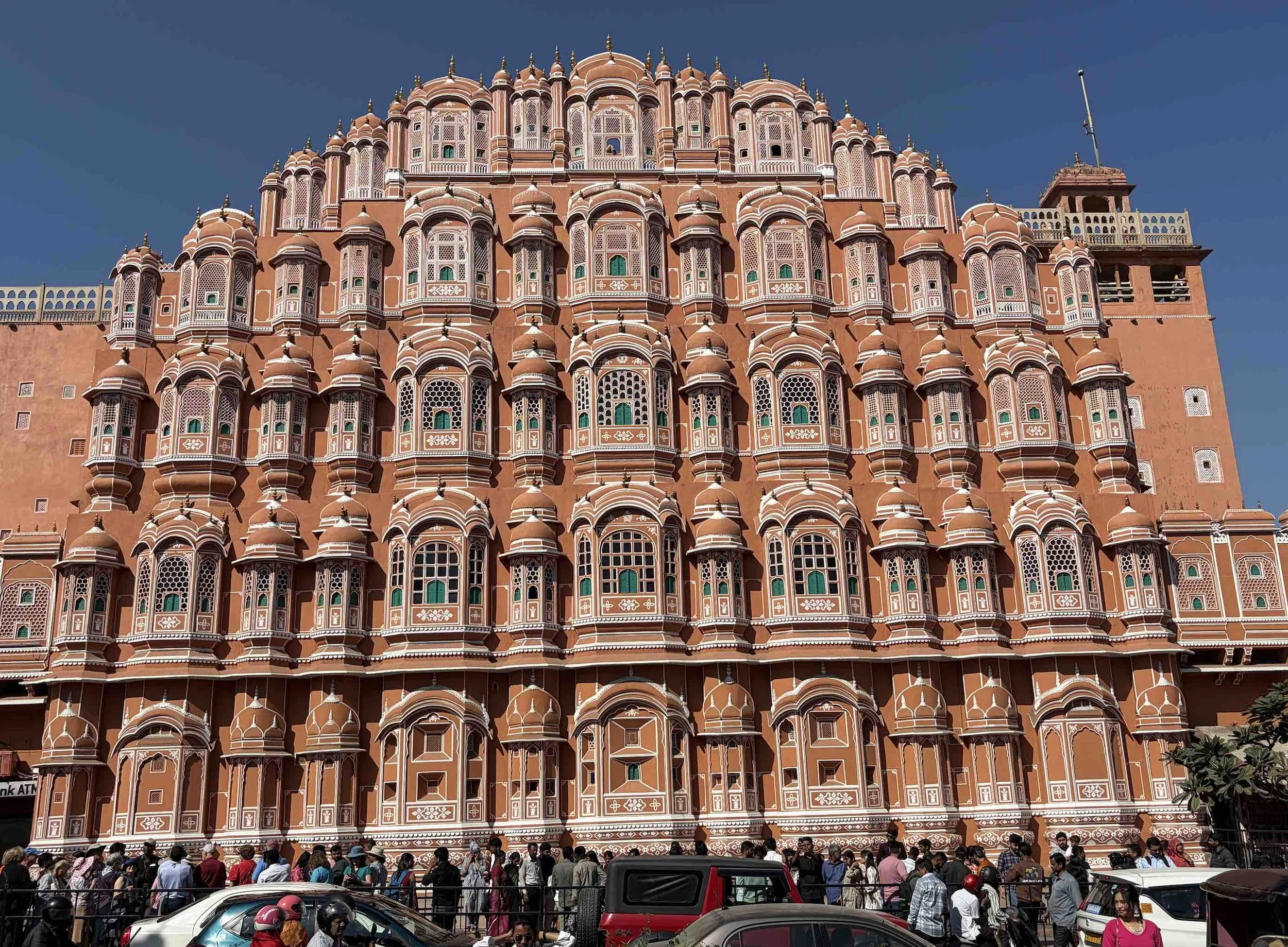
After 2 weeks of working, I was fortunate to have a few extra days in India (thanks to Georgia and team for covering me for another week). After flying back to Delhi with the group and saying my goodbyes, I headed to Rajasthan for 6 days, travelling from Jaipur across to Jodhpur. In tourist mode, I made the most of my time, exploring the cities, visiting attractions, walking the streets and eating my way through the region - the food in Rajasthan was amazing! This region has a rich history of dynasties that came from Persia that have built huge forts and palaces over many hundreds of years. Although Amer Fort was amazing to see, my favourite was Mehrangarh Fort in Jodhpur which is built high on a hill and the entire town looks up at it and every day for the past 540 years at 3pm they feed 100’s of eagles off the top of the walls.
My reflections on India
I feel that spending 3 weeks in various parts of India gave me a great insight into not just the attractions of India, but I also came to know the people and their culture. As we started our HOI work one of our coordinators said that, “most people come to see India, but we will get to know Indians and their way of life” and at the end of my trip I felt he was right.
There are many things that are very different to our way of life, but I found them all to be very respectful and friendly - but always keen to rip you off as a foreigner in the tourist areas! Many of the people we cared for had no shoes, lived in very basic conditions and had physically demanding jobs for minimal pay. I was surprised by how happy and kind most of the people I met were through all the regions I travelled on my trip.
It was challenging to see people living in such poverty, like in Agra as we drove past slums on our way to see the Taj Mahal and it was hard to understand how the caste system continues to be so strong. But I also got to see how even a small amount of money donated here in Australia can go a long way in India. The other challenging part of the trip was the rubbish and pollution. With almost no bins, rubbish is just thrown on the ground with piles of rubbish often being burnt to get rid of it. The air quality was terrible with most of our group struggling at some time in the trip. Towards the end myself and several others developed a ‘smokers’ cough that cleared up a few days after getting to cleaner areas.
Supporting Hands On India
For those that donated to Hands On India as part of my fundraising - I was able to see first hand the difference this money is making in the lives of families around Siliguri - especially the children that now go to school and their mums that are part of the women's support groups. It is amazing to see how far the money can go to create change in the communities there.
HOI has been running for 20 years now and contributes to the communities around Siliguri in many ways outside of the annual chiropractic trip including;
Funding 6 schools (4 fully funded and 2 partial funded)
Health care workers in 32 Health Centers in the remote communities
Coordinates the women's support groups - over 3000 women in 92 groups (and counting)
Starting to develop men’s support groups in the same communities
While we were there our team leaders attended the opening of a school and community building that HOI had funded ($26k funds an entire building in India)
Thank you to everyone who donated and I would encourage you to continue to make donations to HOI as part of your regular giving. We have included a link below where you can set up regular donations to continue to support the ongoing work of Hands On India. Georgia and I have decided that HOI will be part of our annual donations.
Thank you also to our team who covered me while I was away and to Georgia and our family for allowing me the opportunity to go on the trip. I hope to be able to go back for another HOI trip in a few years once our boys are a bit bigger.
Dr Troy Miles